Understanding (TSCM) Counter Surveillance Equipment:
What Works Best for Your Needs?
TSCM stands for Technical Surveillance Counter Measures, commonly known as bug-sweeping, are security measures aimed at detecting and neutralizing surveillance devices, including eavesdropping devices and unauthorized data interceptors such as RF transmitters, hidden cameras, data transmitters, GPS trackers, and other electronic spying tools.
No single bug detector can solve all problems. A hidden camera alone can be wired, wireless, locally stored, or transmitting over 4G — each requiring a different detection method. This guide compares the key tools used by security professionals, government agencies, and enterprises worldwide, with recommended models from leading suppliers
1. Quick Comparison: Which TSCM Tool Do You Need?
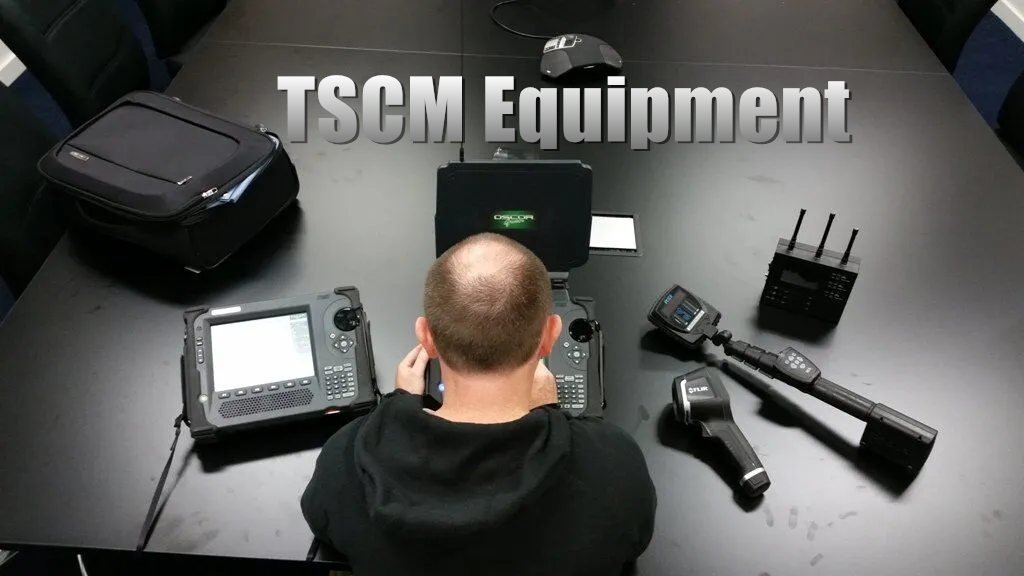
Professional TSCM inspections do not rely on a single device, but use a combined of multiple tools. Understanding the core strengths and weaknesses of each device helps you to choose the best equipment for your requirement.
In-Depth TSCM Tool Comparison: Strengths & Limitations
| Tool Type | What It Finds | Strengths | Weaknesses | Best For |
|---|---|---|---|---|
| NLJD (Nonlinear Junction Detector) | The tiny electronic parts inside a device, even if it’s turned off. | Finds bugs that are off, broken, or have dead batteries. The only tool that can do this. | Can not use in areas with many existed electronics. Requires experience & skills of using NLJD. Can’t tell you what the device is. | A final, physical check of walls and furniture to see if any electronics are hidden inside. |
| Spectrum Analyzer | All nearby radio signals, including Wi-Fi, cell signals, and hidden transmitters. | The most powerful and sensitive RF detector. Can find, identify, and locate even very weak or hidden signals. | Very complex. Requires an expert to operate and understand the results. | Professional-grade sweeps of entire buildings to find any transmitting bug. |
| Near-field RF Detector | Strong radio signals from nearby sources. | Easy to use and portable. Good for a quick check to see if strong transmitters are active nearby. | Not very sensitive. Often tricked by normal Wi-Fi and cell phones. Will miss weak bugs. | A quick, basic check in a hotel room or for personal use. |
| Thermal Camera | The tiny amounts of heat from active electronics. | Sees heat through surfaces. Finds devices that are on but not sending signals. | Only finds bugs that are turned on and making heat. Can be confused by other heat sources like pipes or chargers. | Quickly scanning walls and ceilings for hidden, powered-on devices. |
| Wi-Fi Analyzer | All Wi-Fi devices, including hidden cameras and routers. | Can spot hidden Wi-Fi cameras and unauthorized networks that your phone can’t see. | Only finds Wi-Fi. It can’t detect Bluetooth or other types of wireless bugs. | Checking your home or office for unauthorized Wi-Fi spy gadgets. |
| Optical Camera Detector | The reflection from any camera lens. | Finds any camera lens, even if the camera is off. Not affected by radio signals. | False alarms rate may be a little high,especially from shiny surfaces. You must have a clear view of the lens to find it. | Doing a quick, simple check for cameras in places like hotel rooms or bathrooms. |
Professional Counter Surveillance Equipment Suggested
2. NLJD (Non-linear Junction Detector)
2. NLJD (Non-linear Junction Detector)
Non-linear junction detector (NLJD) operates like a specialized type of radar. It is also called as PN Junction Detector. Here’s a simple introduction of its working principle:
- NLJD transmits a low-power RF signal and detects harmonic responses from semiconductor components — finding hidden electronics even when switched off
For detailed introduction of NLJD, please read [Understanding Non-Linear Junction Detectors].
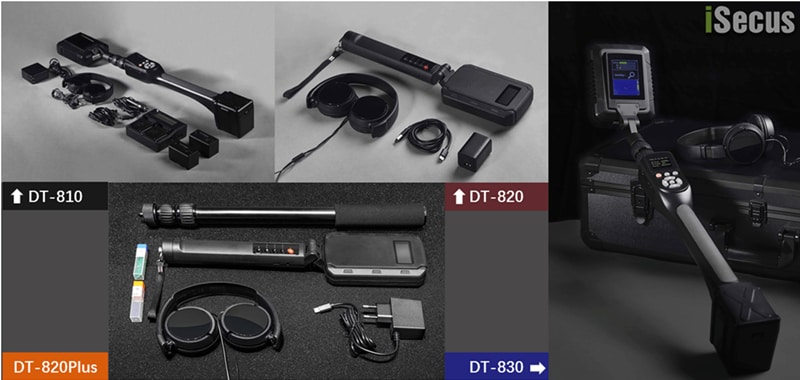
Main Purpose: Detecting Electronic Semiconductor Chips
- Practical Application: Used to detect whether there are hidden built-in eavesdropping and bug in items without containing semiconductor chips, such as door panels (except smart locks), plants, decorations, paintings, walls, sofas, etc.
- Disadvantages: It cannot detect items themselves containing semiconductor chips and items wrapped in special protective materials, such as mice, keyboards, speakers, printers, calculators, headphones, chargers, routers, optical modems, etc. Otherwise, the false alarm rate will be extremely high.
Find suitable NLJD for your application? Please read [Discover the Best NLJD in 2025].
🚀 The iSecus DT-810 is widely used for this application (especially governmental projects) due to its -140dBm sensitivity & detection performance: Check DT-810 NLJD »
Global NLJD Supplier Landscape
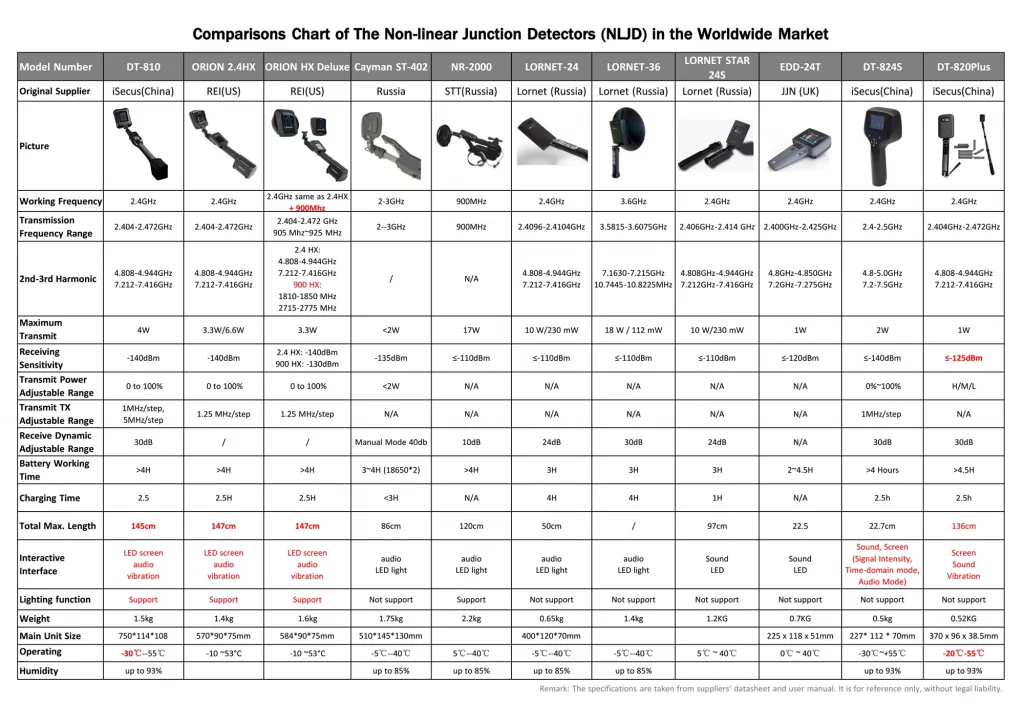
Here, we suggest several professional NLJD suppliers and compare their key focus areas.
REI (USA)
The Global Pioneer
- Focus: Orion 2.4 series, Deluxe (900Mhz/2400Mhz).
- Note: Top 1 supplier with mature distribution channels.
- Limitation: Does not currently offer handheld NLJD models.
Lornet (Russia)
3.6GHz Specialist
- Focus: Star Series (Star24, Star36).
- Strength: Experienced supplier, renowned for 3600Mhz (3.6G) models.
- Note: Well-established in the industry.
JJN Digital (UK)
Handheld Focus
- Focus: EDD-24 Handheld model.
- Note: Known for their portable solutions.
- Limitation: Limited options on broader NLJD models.
Selcom Security (Lituania)
Cayman Series
- Featured models (Russia Made): ST-401, ST-402.
- Strength: Good performance at a mid-range price point.
- Note: Good cost-effectiveness and market recognition.
iSecus (China)
The New Star in TSCM (Est. 2017)
- Experience: Established in 2017, proving several years of industry expertise.
- Innovation: DT-830 (World-first NLJD integrated with thermal camera).
- Value: Prices are competitive while quality & performance are excellent,receiving high praises from worldwide customers.
- Rich NLJD Collection: They offer multiple NLJD from handheld to professional. Wellknown models are DT-810 (Orion eq.), DT-820Plus (EDD eq.), DT-830. New NLJD such as DT-824S, DT-840 are released in 2025.
3. Spectrum Analyzer — Find All RF Signals
3. Spectrum Analyzer — Find All RF Signals
How It Works?
A spectrum analyzer scans and visualizes all radio frequency (RF) signals present in the environment, allowing operators to identify, analyze, and locate suspicious transmissions in real time.
Main Purpose: Detect and analyze all wireless signals in the inspection environment — including background signal recording and comparison across different locations.
Practical Application
- Identifies and classifies signals by type (2G/3G/4G, Wi-Fi 2.4/5GHz, Bluetooth, etc.)
- Performs deep analysis on suspicious signals and demodulates analog audio/video for verification
- Compares current environment signals against a clean baseline recording
Limitations: Only detects devices that are actively transmitting. Cannot find locally stored surveillance equipment such as SD card cameras or offline recording pens.
⚠ Requires an operator with an engineering background to interpret results accurately.
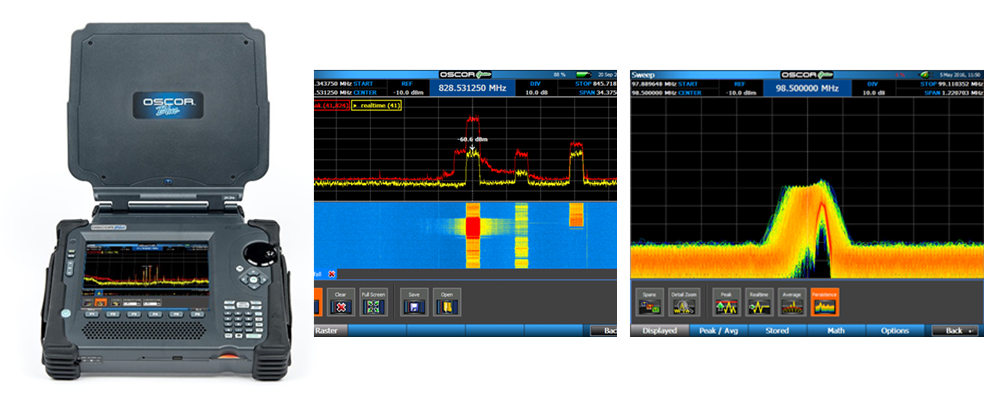
Professional Signal Spectrum Analyzers for TSCM Counter Surveillance Equipment are suggested below:
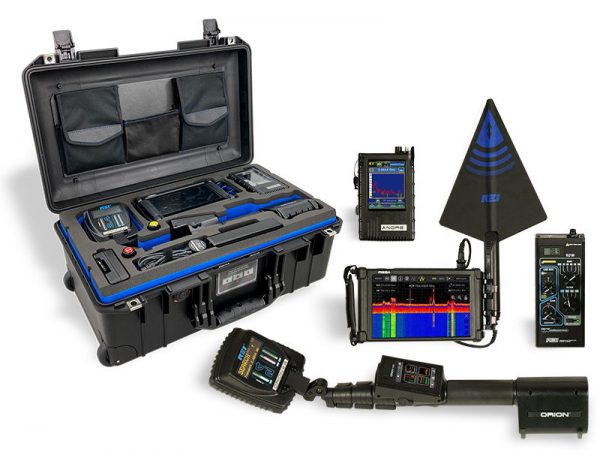
REI from USA: Oscor Green & Oscar Blue (generally ranging from around $29,000 to over $31,000 USD)
D.A.S (Digital and Analog systems) from Ukraine: They offer Delta X and Delta S series.
MEFF from Italy: Wellknow model is MEFF M2-PRO. It is a premium spectrum analyzer bug detector, a high-tech multifunctional portable device designed by TSCM professionals for security professionals, private investigators, law enforcement, federal agencies, casino security and corporate executive security for safe performance against any electronic threats. Detection power from 100Hz to 24Ghz.
For a complete TSCM kit, pair your spectrum analyzer with an iSecus NLJD to cover non-transmitting and passive devices.
4.Near-field RF Detector — Locate Active Transmitters
4.Near-field RF Detector — Locate Active Transmitters
How It Works?
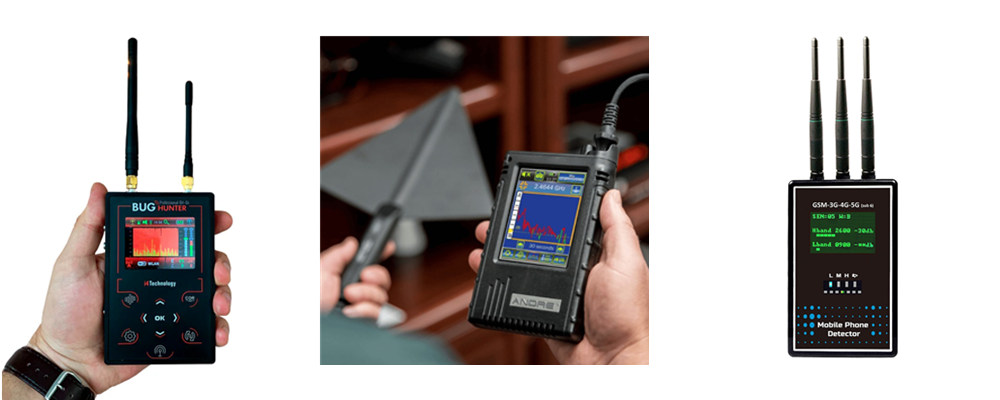
A near-field RF detector is a high-sensitivity handheld scanner designed to pinpoint the exact location of an active signal source at close range.
Main Purpose: Precise location of a transmitting device — used as a follow-up tool after the spectrum analyzer identifies a suspicious signal.
Practical Application: Works alongside the spectrum analyzer: the analyzer identifies the signal, the RF detector narrows it down to the exact source. The smaller its detection range, the more accurate the location result.
Limitations: Only detects devices that are currently transmitting. Cannot locate passive or offline devices.
5. Thermal Camera — Detect Heat from Hidden Devices
5. Thermal Camera — Detect Heat from Hidden Devices
A thermal camera operates by detecting and visualizing infrared energy, or heat, which is emitted by all objects. Unlike a regular camera that captures visible light, a thermal camera uses a special lens and sensor to create a “thermogram”—a visual map of temperature differences. This allows an operator to see objects and environments based on their heat signature rather than their light reflection.
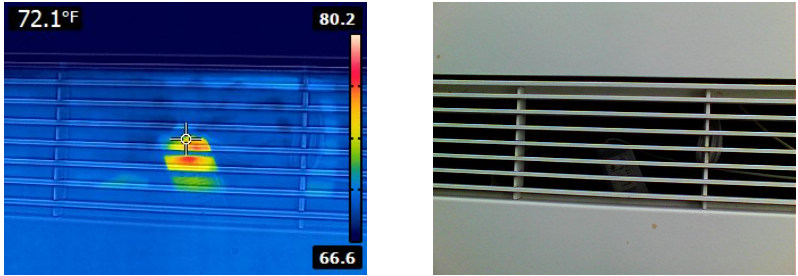
Main Purpose: Detecting heat from Electronic equipment
- Practical Application: Based on the principle that electronic equipment generates heat when working, thermal camera is used to detect whether there are hidden built-in eavesdropping and bugs in items that should not have heat sources. Such as plants, decorations, paintings, walls, sofas and other items.
- Disadvantages: It cannot detect items that generate heat when plugged in, such as power strips, charging plugs, keyboards, kettles, etc.
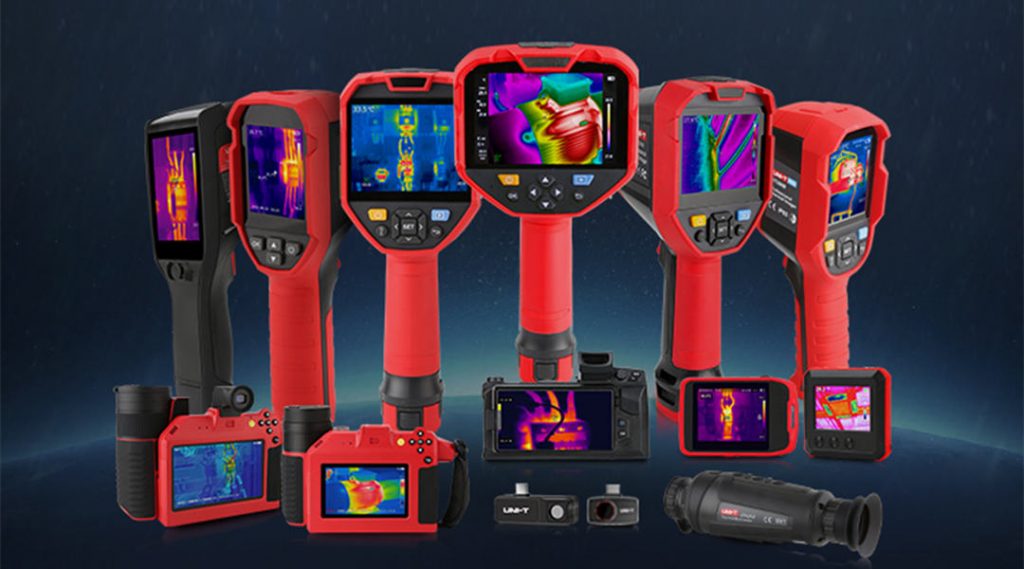
Suggested Brands for Handheld Thermal Cameras: iSecus (China), Flir (USA)
Learn More: Choosing the Right Thermal Camera for Counter Surveillance
6. Optical Hidden Camera Detector
6. Optical Hidden Camera Detector
Working principle of Optical Hidden Camera Detector
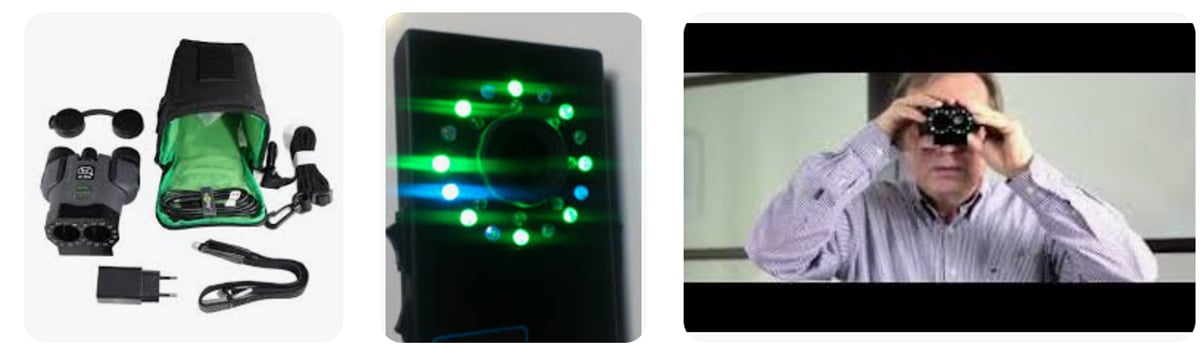
This detector operates on the principle of optical reflection. It emits a specialized beam of light, and when this light hits a camera’s lens, it’s reflected directly back. Looking through the device’s viewfinder, an operator will see this reflection as a distinct, bright pinpoint of light.
- Core Advantages: Its greatest strength is its ability to find a camera regardless of its status—whether it’s on, off, or only recording locally. Because it is a purely optical tool, it is also completely immune to interference from wireless signals like Wi-Fi and cellular networks.
- Key Limitations: The limitations are significant. First, it is prone to false positives, as many small, reflective items (like screws or glass fragments) can create a similar glint. Second, it requires a direct line-of-sight and cannot penetrate any obstacles. Finally, its effectiveness is highly dependent on the operator’s skill, patience, and experience
Wellknown models: Optic-2, IRSI T1 (From Canada Waypoint)
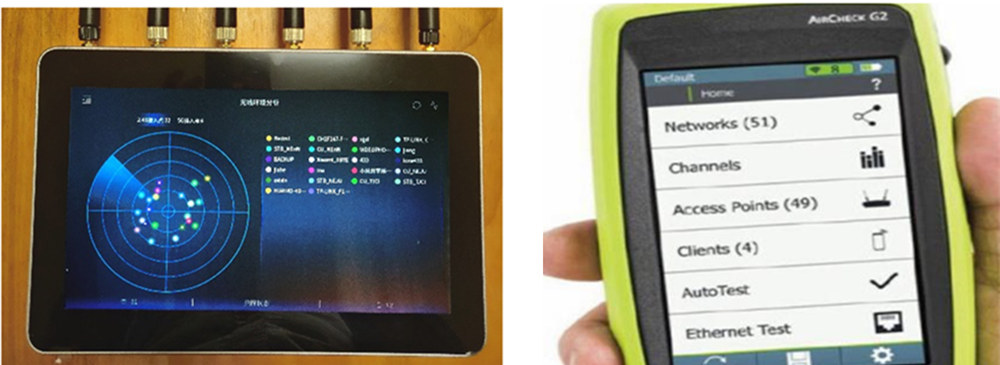
Others may be used but not popular, such as WiFi Analyzer.
Main Purpose: Scanning the WIFI list in the search environment, whether there are suspicious devices in AP hotspots, hidden hotspots, and devices with hotspots embedded; Detecting hidden cameras that transmit WIFI data.
Practical Application: It can only detect the WIFI hotspot list, MAC address and signal strength in the current environment; Detect whether there is a spy camera that uses WIFI data transmission.
Disadvantages:
- In practical applications, it is difficult to confirm the identity of the user of WIFI device, and the troubleshooting work is time-consuming and laborious.
- With the continuous improvement of video compression technology, it is becoming more and more difficult to detect and analyze WIFI data. Similarly, WIFI camera scanners cannot detect video signals transmitted by local storage and 4G and 5G plug-in cards.
Why Choose iSecus for Your TSCM Equipment?
Trusted Globally: iSecus Export Footprint
Our High-end TSCM equipment has been successfully deployed in over 30 countries worldwide.
(List includes official government, military, and corporate clients)
Why Security Professionals Choose iSecus's Featured TSCM Models?
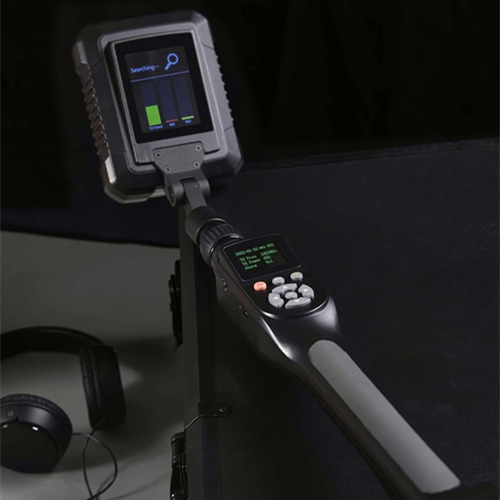
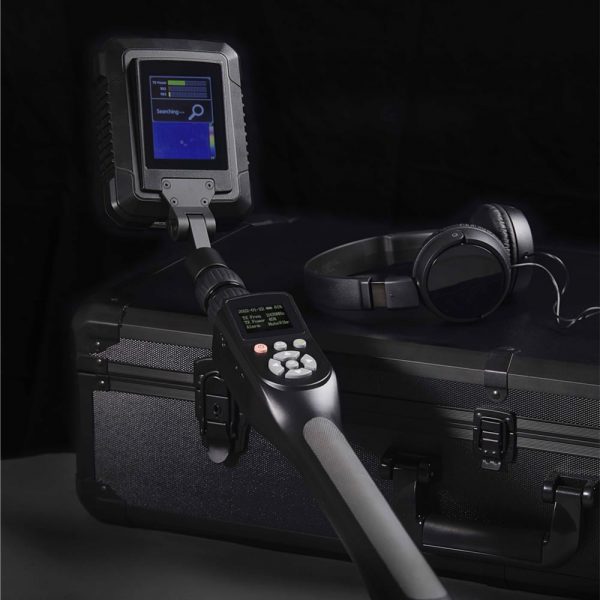
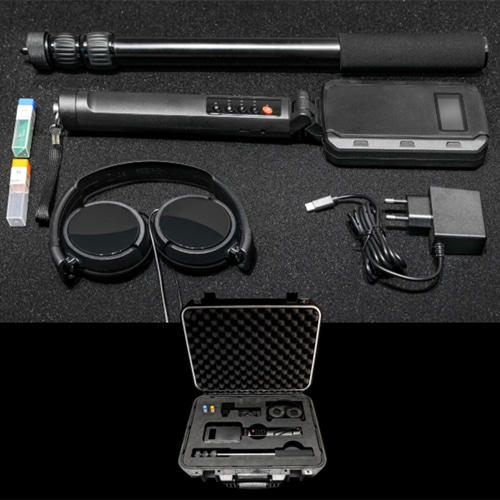
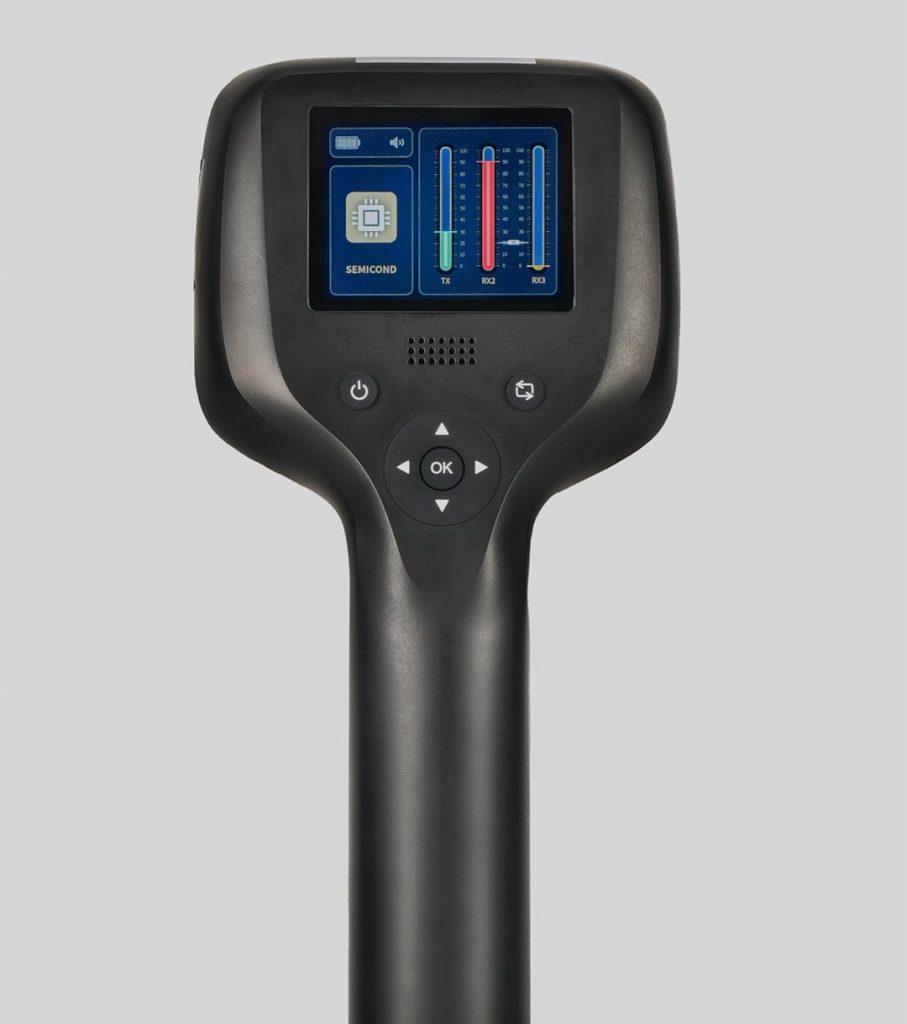
Our NLJD devices are engineered with **advanced detection algorithms** and **user-friendly analysis displays** to help both experienced operators achieve peak performance and new operators master the detection process faster. Review our most popular, field-tested models below.
View iSecus Full Collection →Featured TSCM Models: Field-Tested & Globally Deployed

Frequently Asked Questions (FAQ) about Bug Sweeps
Q1: What equipment is essential for a professional TSCM sweep?
Answer: A thorough TSCM (Technical Surveillance Counter-Measures) sweep requires specialized professional counter surveillance equipment. For government and enterprise security, experts rely on Non-Linear Junction Detectors (NLJDs) to find hidden electronics, advanced RF detectors to trace active wireless signals, and thermal cameras to spot hidden heat signatures inserted in walls, ceilings, electronic camouflage, etc.
Q2: What are bug sweeping tools used for corporate security?
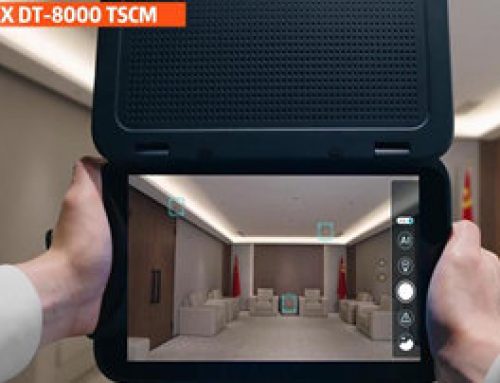
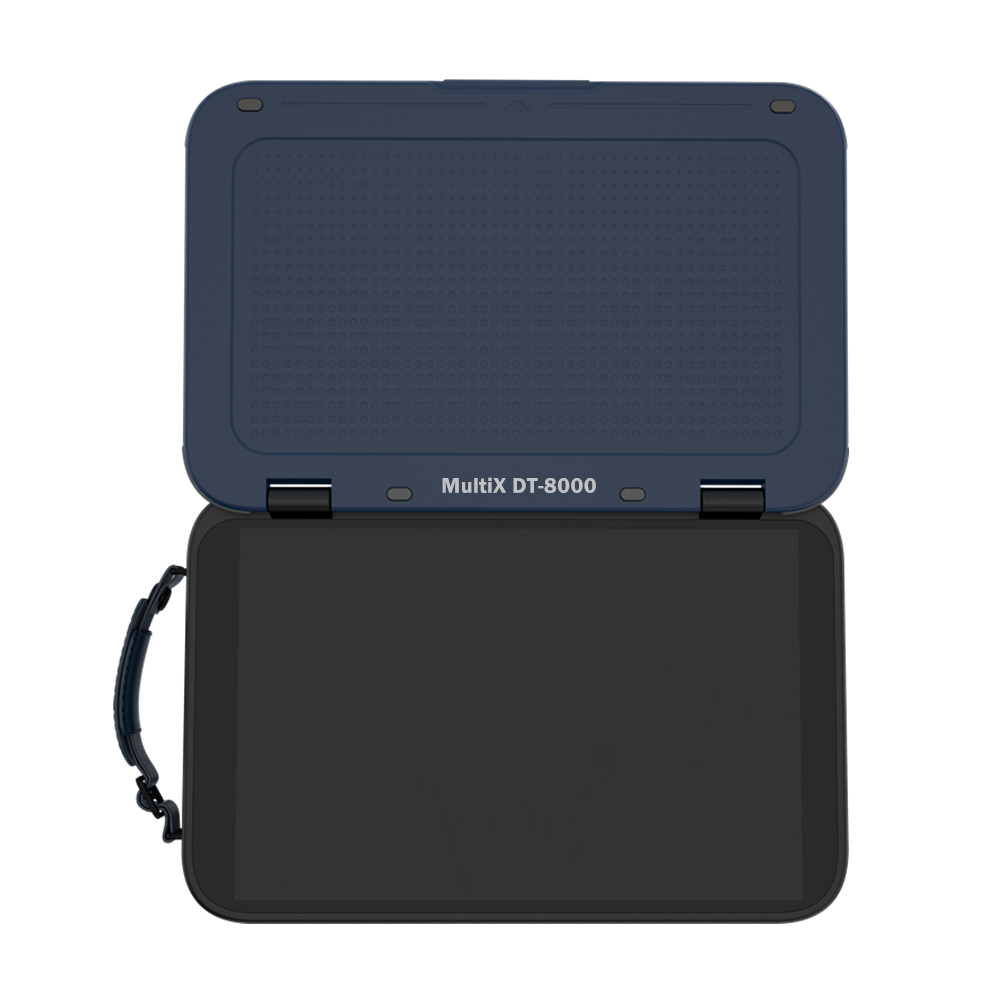
Answer: Advanced bug sweeping tools are deployed to detect and neutralize illegal eavesdropping devices in executive boardrooms and private offices. These counter surveillance tools scan for hidden recording devices, covert cameras, and unauthorized GPS trackers, ensuring absolute privacy for high-level corporate and government communications. For sweeping a room efficiently or requiring routine sweeping task, iSecus MultiX DT-8000 portable integrated TSCM equipment is highly recommended.
Q3: Which brands are trusted for professional TSCM equipment?
Answer: TSCM is a niche market but at high threshold. Building a reliable counter surveillance kit often involves sourcing best-in-class tools from various specialized manufacturers. For RF detection and spectrum analysis, brands like REI (USA) and DeltaX (Ukrane) are widely recognized. For thermal imaging, FLIR remains an industry standard. Nonlinear Junction Detector is definitely one of the most important TSCM sweep equipment. When it comes to NLJDs used to find hidden electronic devices, professionals and TSCM service providers increasingly trust globally validated brands like American Orion, Russian Lornet, and Chinese iSecus. Users can be assured of their quality and performance.
Q4: What is the price range for professional TSCM counter surveillance equipment?
Answer: Professional TSCM equipment varies significantly by type. Entry-level NLJDs start from around USD 5,000–10,000, while professional models used in government projects range from USD 10,000–25,000. Spectrum analyzers such as REI Oscor series typically range from USD 29,000–31,000+. A complete professional TSCM kit combining NLJD, spectrum analyzer, and thermal camera can range from USD 30,000 to over USD 80,000 depending on specifications. Contact iSecus for a tailored quote based on your requirements.
Q5: Can security companies or distributors purchase TSCM equipment directly from iSecus?
Answer: Yes. iSecus works directly with security companies, TSCM service providers, government procurement teams, and authorized distributors worldwide. We offer OEM, volume pricing, and technical supports. Contact our team to discuss your project requirements and partnership options.
Deep Dive: Explore Our TSCM Resource Center
Continue your professional development with expert guides on counter-surveillance technology.
Understanding Non-Linear Junction Detectors
Learn the physics behind NLJD and why it remains the gold standard for passive bug sweeps.
Discover the Best NLJD in 2025
A comprehensive comparison guide to the top NLJD models, including key specifications and operational benefits.
Choosing the Right Thermal Camera
Understand how thermal imaging complements RF and NLJD sweeps for a complete inspection.
View All TSCM Products
Browse our complete collection of professional bug sweeping and counter-surveillance tools.